Author: Nazrul Islam

  • 19 Ways to Fix Laptop Cursor Not Working in Windows 2025

    19 Ways to Fix Laptop Cursor Not Working in Windows 2025

    19 Ways to Fix Laptop Cursor Not Working in Windows – A stationary laptop cursor can be a pain, especially if you can’t use the keyboard as an alternative. The article below will help with any type of cursor freeze you may encounter.
    19 Ways to Fix Laptop Cursor Not Working in Windows
    19 Ways to Fix Laptop Cursor Not Working in Windows

    How to Fix Laptop Cursor Not Working in Windows

    If you are using Windows 10 and your cursor freezes, jumps or disappears during your game or while doing something at work, then this tutorial will help.

    Read more:

    Windows 10 has a built-in feature that should make your cursor disappear as you type.

    This feature is very useful when using a Windows 10 laptop device because if your cursor is active then the cursor will jump everywhere if you accidentally touch it while typing something.

    By following the instructions posted below, you can solve the cursor problem and also know how to use the cursor feature properly.

    Why Laptop Cursor Doesn’t Work

    Why Laptop Cursor Doesn't Work
    Why Laptop Cursor Doesn’t Work

    When your mouse doesn’t move, it’s hard to tell if the problem is a frozen app, your laptop’s touchpad, or just a frozen computer.

    This behavior can occur in the following ways:

    • Pointer doesn’t move in Windows 10

    According to users, a common problem with the mouse is that the pointer freezes. Users report that their pointer freezes randomly in Windows 10.

    • The cursor freezes every few seconds

    Another problem with the mouse cursor is that it freezes frequently. Due to this error, you will not be able to perform even basic tasks.

    • Cursor freezes while typing

    This is a variation of the laptop cursor not moving, and many users report that their cursor freezes while typing. This sounds like a weird bug, but you should be able to fix it with one of our solutions.

    • Cursor freezes then disappear

    Sometimes the laptop cursor doesn’t move or freezes and then disappears. This can be a big problem and is most likely caused by a problematic driver.

    • The cursor does not move at all

    Another problem that can arise with laptop mice is the inability to move your cursor. According to users, their cursor is stuck in place and can’t move at all.

    • Cursor jumps

    One of the most common problems is cursor jumping. This can be an annoying problem, but you can fix it with one of the solutions in this guide.

    • Cursor does not appear

    This is another problem that users have reported on their PCs. According to them, their cursor disappeared making them unable to use their mouse.

    You might think the mouse cursor not moving is definitely a problem with the mouse or touchpad, but that’s only one possibility and it’s not always the case.

    Other causes include a computer crashing partially, one application consuming all CPU resources, a mouse driver crashing, or an application you are using freezing.

    The troubleshooting steps below will help you isolate the problem and unlock the frozen mouse on the laptop.

    How to Fix Laptop Cursor Not Working on Laptop

    How to Fix Laptop Cursor Not Working on Laptop
    How to Fix Laptop Cursor Not Working on Laptop

    This issue applies to all editions of Windows 10, Windows 8, Windows 7, and Windows Vista, including the 32-bit and 64-bit versions of these operating systems.

    Follow the steps below to fix the laptop cursor that won’t move:

    #1. Check for physical problems

    Depending on which mouse doesn’t work:

    • If it is a touchpad mouse, continue to the next solution.

    • If it’s an external mouse, try a different port, or a mouse that works differently, and replace/recharge the battery (if applicable) to see if this fixes the problem. If not, continue on to the solutions below.

    #2. Restart Your Laptop

    Usually, one way to fix a problem like this is to try restarting your computer.

    However, when the computer is not responding, this is not easy.

    Try several methods to shut down a frozen computer, including a hard start.

    #3. Check mouse properties

    Another possible cause of the laptop cursor not moving is the issue of the trackpad being turned off.

    To release your mouse:

    1. press the Windows logo key on your keyboard, then copy & paste main.cpl into the box and click OK.

    2. Click the Device Settings tab > your device > Enable > Apply > OK .

    Hopefully, this time your mouse doesn’t freeze and works fine. If the problem persists, try the next solution.

    #4. Try the function keys

    Sometimes the mouse not moving problem occurs just because you pressed the function key and disabled the trackpad unknowingly.

    If so, we may have to press the button again to turn it back on.

    Here’s how:

    1. On your keyboard, hold down the Fn key and press the touchpad key (or F7, F8, F9, or F5, depending on the brand of laptop you are using).

    2. Move your mouse and check if the mouse froze on the laptop problem is fixed.

    If the problem persists, proceed to the next solution, below.

    #5. Disable the disappearing feature in Windows 10

    1. Left-click on the Desktop icon from the Windows 8, 10 Start Menu.

    2. Move the mouse cursor to the lower right corner of the screen.

    3. A menu will appear and left-click on the Settings icon that has appeared on the laptop screen.

    4. Left-click on the Control Panel feature l.

    5. Left-click on the Mouse icon.

    6. A window with Mouse Properties will open; You need to left-click on the Pointer Options tab at the top side of the window.

    7. Uncheck the box next to the Hide pointer while typing.

    8. Left-click on the OK button at the bottom side of the screen.

    9. Close every window you have open and reboot your Windows 8 or Windows 10 device.

    #6. Double-tap your touchpad

    On many laptops like HP Notebooks, double-tapping the touchpad is one way to enable or disable the touchpad.

    This setting is often enabled by default, so accidentally double-tapping can disable the touchpad.

    Double-tap again to turn it back on.

    #7. Check if the touchpad is not disabled

    Users sometimes accidentally turn off their laptop’s trackpad, which will cause the cursor to not move.

    You can also accidentally disable the keyboard.

    If the laptop and touchpad share a single driver, the touchpad will also stop working.

    Every laptop manufacturer has a keyboard shortcut that will disable the trackpad.

    Some keyboards have function keys with a trackpad image that will enable or disable them.

    Search the manufacturer’s website to learn about the shortcuts so you can avoid them.

    #8. Enable the Mouse

    If this problem appears on your laptop, you need to check if your device is activated.

    To do this, follow these steps:

    1. Go to Control Panel > Mouse.

    2. Navigate to the last tab on the right and make sure the device is switched on.

    You can access this by opening Device Manager and searching for Mice and other pointing devices.

    Look for an exclamation point, which can indicate a disabled or failed mouse driver.

    Device Manager is also where you will disable Hard Drives like mouse or trackpads.

    After doing that, your mouse will reappear and everything will start working fine.

    Keep in mind that you may have to perform these steps using your keyboard.

    #9. Do Troubleshooting

    1. Open Control Panel.

    2. Select the Troubleshooting option.

    3. The Troubleshooting window will open, from the right side of the window click on the Hardware and Sound option.

    4. Now in the Device category click on the Next button for Hardware and Devices.

    5. Scanning will start and once done click on Apply this fix.

    6. Close any windows you have open.

    7. Reboot the Windows 8 or Windows 10 device and see if the laptop cursor that doesn’t move can move.

    Read also:

    • How to fix can’t right-click on the laptop

    #10. Update the mouse driver

    If the laptop cursor still freezes, you may need to do this in safe mode.

    If the automatic driver search doesn’t work, you may need to download the driver from the mouse manufacturer’s website.

    If your trackpad isn’t working, you should be able to get drivers from the computer manufacturer’s website.

    Restart the computer after the drivers are updated.

    #11. Reinstall the mouse driver

    Update drivers manually

    Sometimes the laptop cursor doesn’t move because of your mouse driver.

    Some users reported that their mouse was recognized as PS/2 instead of a USB mouse, and that caused various problems to appear.

    If the laptop cursor doesn’t move, jump, or disappear, you can fix the problem by reinstalling the drivers.

    To do this, follow these steps:

    1. Press the Windows key + X to open the Win + X menu and select Device Manager from the menu.

    2. Find your mouse, right-click it, and select Uninstall device.

    3. When the confirmation message appears, click Uninstall.

    4. After doing that, your mouse will be disabled. Using the keyboard keys, you can navigate to Action > Scan for hardware changes.

    If you can’t open this menu with your keyboard, just restart your PC.

    After doing that, your mouse will be detected and you should be able to use it again without any problems.

    Automatically update the mouse driver

    Updating drivers manually may be a time-consuming task.

    That’s why we recommend using a special tool that can do it automatically.

    The tools recommended below are quick and will update and repair all of your drivers in one go without any hassle.

    Often the generic drivers for your Hard Drive and PC peripherals are not properly updated by the system.

    There is a key difference between generic drivers and manufacturer drivers.

    Finding the right driver version for each component of your Hard Drive can be tedious.

    That’s why the automatic assistant can help you find and update your system with the right drivers every time, and we highly recommend DriverFix.

    Here’s how to do it:

    1. Download and install DriverFix.

    2. Launch the Software.

    3. Wait for the detection of all your faulty drivers.

    4. DriverFix will now show you all the drivers that have a problem, and you just need to select the one you want to fix.

    5. Wait for the application to download and install the latest drivers.

    6. Restart your PC for the changes to take effect.

    Disclaimer: This program needs to be upgraded from the free version to perform certain actions.

    #12. Go back to the previous driver

    Sometimes problems with your cursor can appear due to new drivers.

    According to users, this problem can appear if you recently update your mouse or touchpad drivers.

    If the laptop cursor doesn’t move, jump, or disappear, you will need to roll back to an older driver.

    You can do this by following these steps:

    1. Open Device Manager and locate the problematic device. Double-click the device to open properties.

    2. When the Properties window opens, go to the Driver tab and click the Roll Back Driver button.

    After rolling back to an older driver, check if the problem is solved.

    If the Roll Back Driver option is not available, you may have to reinstall the driver by following the steps from Solution 4.

    You need to understand that Windows can sometimes update your drivers automatically and cause this problem to reappear.

    To prevent this, be sure to check out our article on how to prevent Windows from automatically updating certain drivers.

    #13. Disable additional mouse drivers from the Device Manager

    According to users, the problem with your cursor could be due to some mouse drivers on your PC.

    If the laptop cursor doesn’t move, jump, or disappear, you may need to disable additional mouse drivers on your PC.

    To do this, follow these steps:

    1. Open Device Manager and navigate to the Mice and other pointing devices section.

    2. If you see multiple entries in this section, you should disable all devices that you are not using.

    • To do so, simply right-click the device you want to disable and select Disable device from the menu.

    3. A confirmation window will now appear. Click Yes to continue.

    After removing the enhancements, the laptop cursor that didn’t move should work again.

    #14. Uncheck the ‘Enhance pointer precision’ feature

    1. Open the Control Panel and navigate to the Mouse section.

    2. Navigate to the Pointer Options tab and disable the Enhance pointer precision feature.

    Now click Apply and OK to save changes.

    After turning this feature off, the problem with your cursor will go away.

    #15. Disable HP Control Zone

    If the laptop cursor doesn’t move, jump, or disappear, your problem may be related to the HP Control Zone.

    Some users reported that they fixed the problem by simply disabling the HP Control Zone.

    To do so, follow these simple steps:

    1. Navigate to the Mouse in the Control Panel.

    2. Go to the HP Control Zone tab and disable HP Control Zone. Click Apply and OK.

    Disabling this feature is one way to fix a laptop cursor that doesn’t move.

    Note that the HP Control Zone may not be available on your PC unless it is an HP device.

    #16. Remove AdAware

    Sometimes third-party apps can cause problems with your mouse.

    Many users report that the laptop cursor can’t move, jump, or disappear because of AdAware.

    It is a solid anti-spyware application, but can sometimes cause various problems to appear.

    Users reported that uninstalling AdAware fixed the problem for them, so please give it a try.

    If you want to continue using this app, make sure to update it to the latest version and check if that solves the problem.

    #17. Remove Recently Installed Apps

    If the laptop’s cursor doesn’t move anymore after restarting, there may be a driver or application problem.

    Boot the computer into safe mode, then uninstall any recent applications you may have recently installed.

    Restart the computer when you are done.

    #18. Disable Realtek HD Audio Manager

    According to users, sometimes Realtek HD Audio Manager can cause cursor problems on Windows 10 laptops.

    If the laptop cursor does not move, jump, or disappear, you need to prevent Realtek HD Audio Manager from starting automatically on your PC.

    To do this, follow these steps:

    1. Press Ctrl + Shift + Esc to open Task Manager.

    2. When the Task Manager opens, go to the Startup tab. Look for Realtek HD Audio Manager, right-click, and select Disable.

    After doing that, restart your PC and check if the problem reappears.

    If you can’t find Realtek HD Audio Manager in the list, you can fix the problem by going to C: Programs -> FilesRealtekAudioHDA and renaming FMAPP.exe.

    After doing that, the application will not start automatically every time you turn on the laptop.

    #19. Run an SFC scan

    System File Checker ( SFC ) is a handy feature in Windows that helps scan your system files and repair missing or corrupt system files (including those related to unresponsive mouse issues).

    Here’s how to run an SFC scan:

    1) On your keyboard, press the Windows key and type cmd. Then right-click on Command Prompt and click Run as administrator.

    Click Yes when prompted to confirm.

    2) In the command prompt window, type SFC /scannow and press Enter.

    SFC will take some time to replace corrupted system files with new ones if detected, so please be patient.

    3) Restart your computer and hopefully, the frozen mouse issue on the laptop is fixed now.

    Read more:

    Conclusion :

    So, if you carefully follow the 19 ways to fix a laptop cursor not working in Windows 10, you can fix any issues with your cursor in Windows 10 and get on with your work.
  • How to Install Linux on Windows 10 PC Laptop 2025

    How to Install Linux on Windows 10 PC Laptop 2025

    How to Install Linux on Windows 10 PC Laptop – Linux is an open-source operating system. Linux is based on the Linux kernel and is free to download. Linux can be installed on a Mac or Windows computer. Here’s how to install Linux on Windows 10.

    How to Install Linux on Windows 10 Not Complicated
    How to Install Linux on Windows 10 Not Complicated

    How to Install Linux on Windows 10 Laptop PC

    If you want to dual-boot, Linux and Windows, you need to make room for a Linux OS. To do this, you must partition your main hard drive.

    Read more:

    How to partition a Windows 10 hard disk

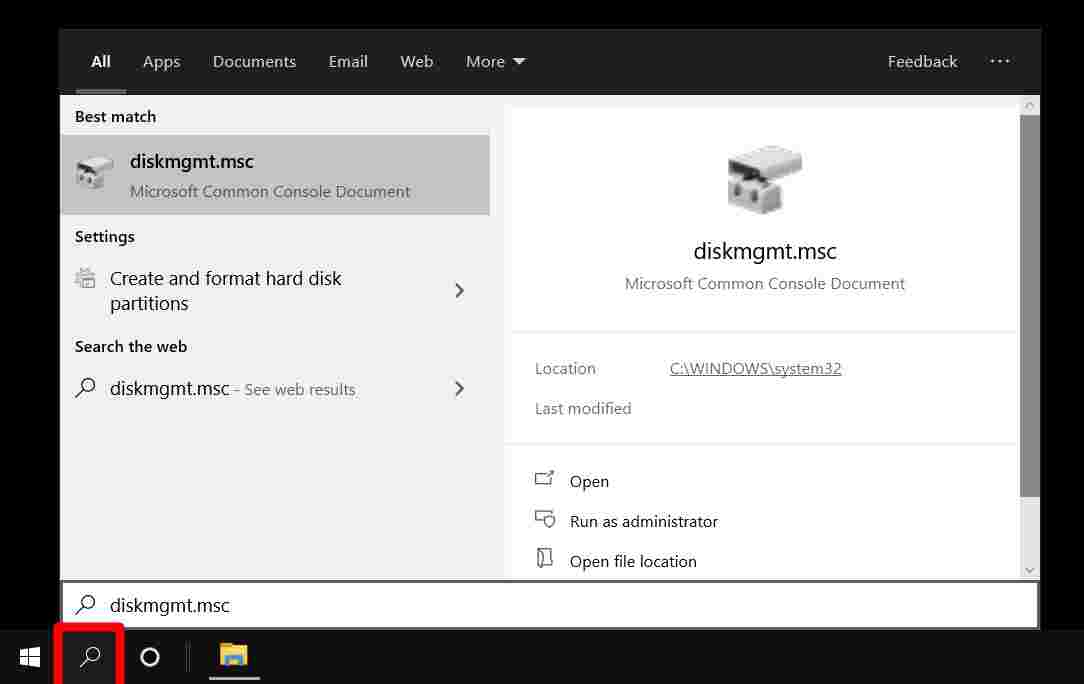
    1. Open the Windows Search Bar. It’s a magnifying glass icon in the bottom-left corner of the screen.
    2. Then type “DISKMGMT.MSC” in the search bar and hit enter.

    How to partition a Windows 10 hard disk

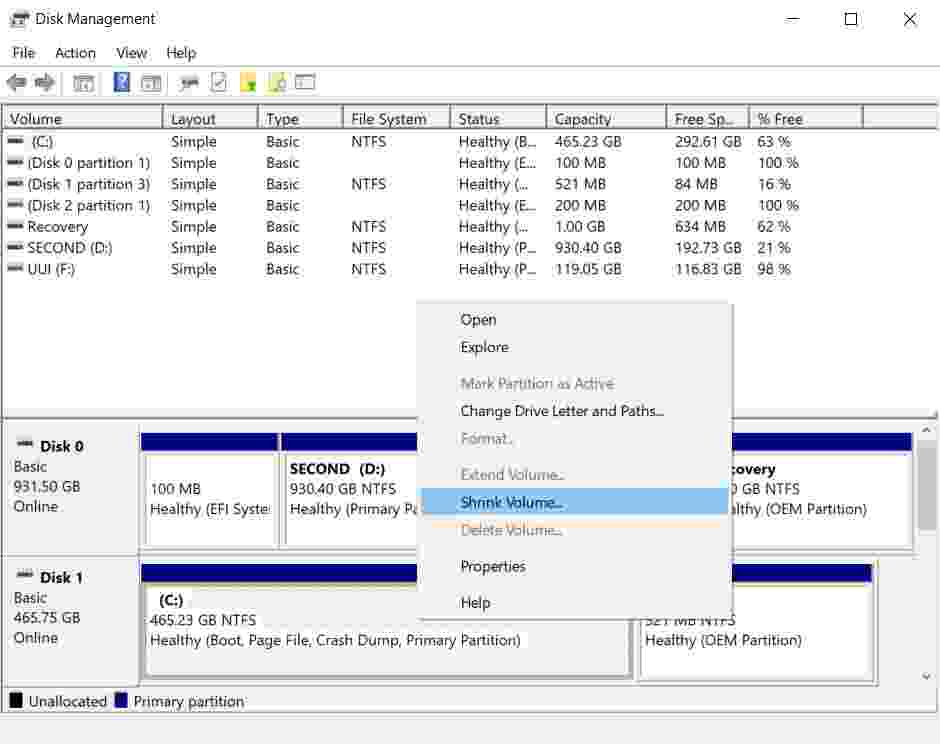
    3. Right-click on your main hard drive and select Shrink Volume. If you have more than one drive, make sure to select the one that says Primary Partition. This will usually be labeled as the C: drive.

    How to partition a Windows 10 hard disk

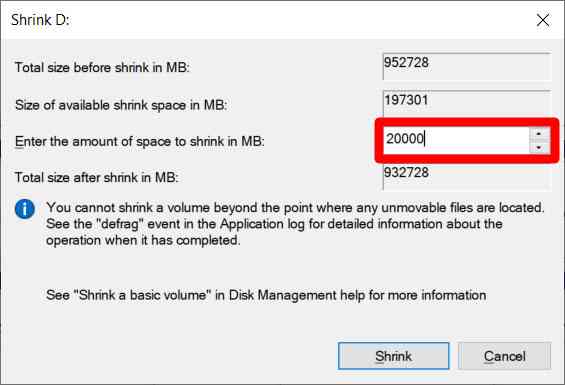
    4. Then select how much you want to shrink the drive. It’s recommended that you set aside at least 20GB (20,000MB) for Linux

    How to partition a Windows 10 hard disk

    5. Finally, click Shrink.

    Once you have the designated space to install Linux, you’ll need to write the Linux Distro to a USB thumb drive or an external drive of 4GB or greater.

    How to Make a Linux Bootable USB

    1. Download the Linux distro in ISO format. ISO files are disk images. Some of the best options are Ubuntu,  Mint, or  Fedora, free to download from their respective main websites. For this article, we are using Ubuntu
    2. Insert a USB drive into the computer. You may be asked to format the drive, so make sure to back up files before starting.
    3. Download Rufus. You can find the latest version of this application here.
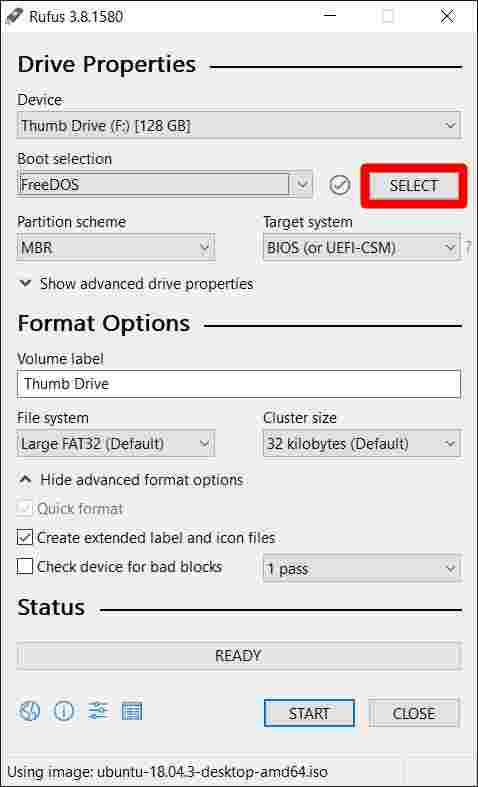
    4. Open Rufus and select your USB drive from the Devices list. If you don’t know which drive to use, remove all drives until you only have one to choose from.
    5. Under Boot selection, click on the Select button and select the ISO file you downloaded earlier. Don’t change any other default settings.
      How to Make a Linux Bootable USB
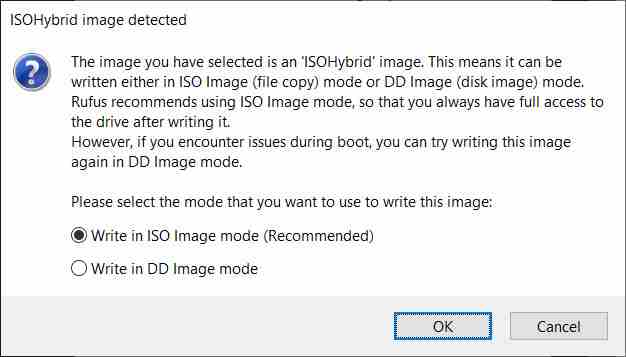
    6. Finally, click Start. If you get a pop-up message asking you to choose the mode you want to compose the image in, choose ISO.

    How to Make a Linux Bootable USB

    Then wait for Rufus to mount your ISO file onto your drive. This may take some time, so be patient.

    How to install Linux on Windows 10 from a USB

    Now you have a Linux distro on USB,

    1. Insert a bootable Linux USB drive.
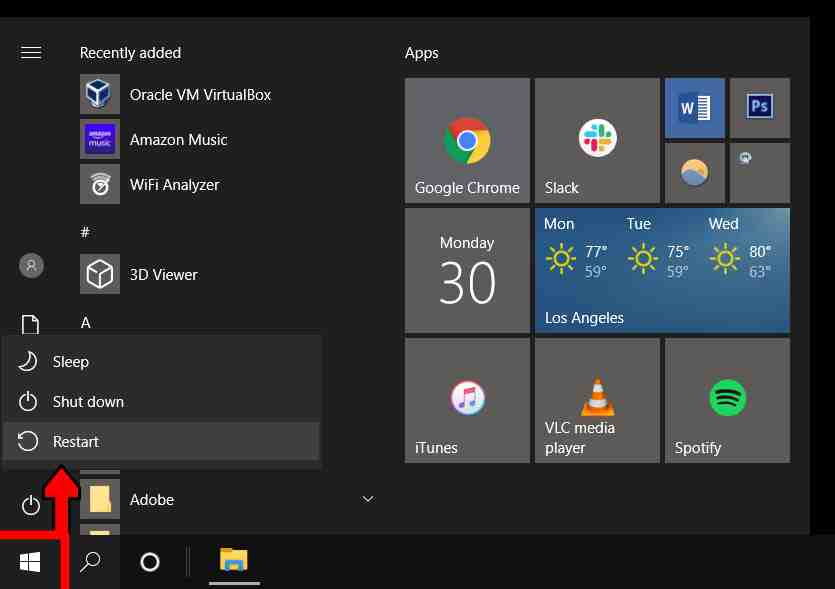
    2. Click the Start menu. It’s in the bottom-left corner of the screen that resembles the Windows logo.
    3. Then hold down the SHIFT key while clicking Restart. This will take you to the Windows Recovery Environment.

    How to install Linux on Windows 10 from USB

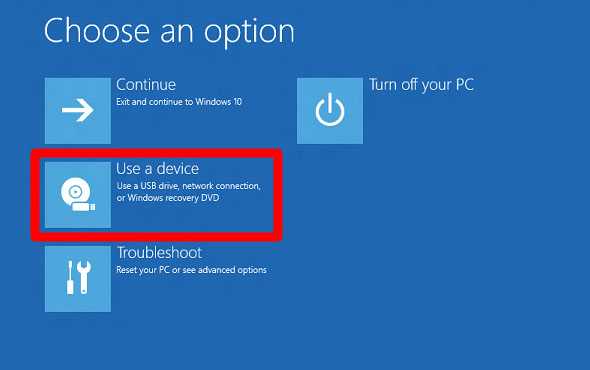
    4. Then select Use a Device.

    How to install Linux on Windows 10 from USB

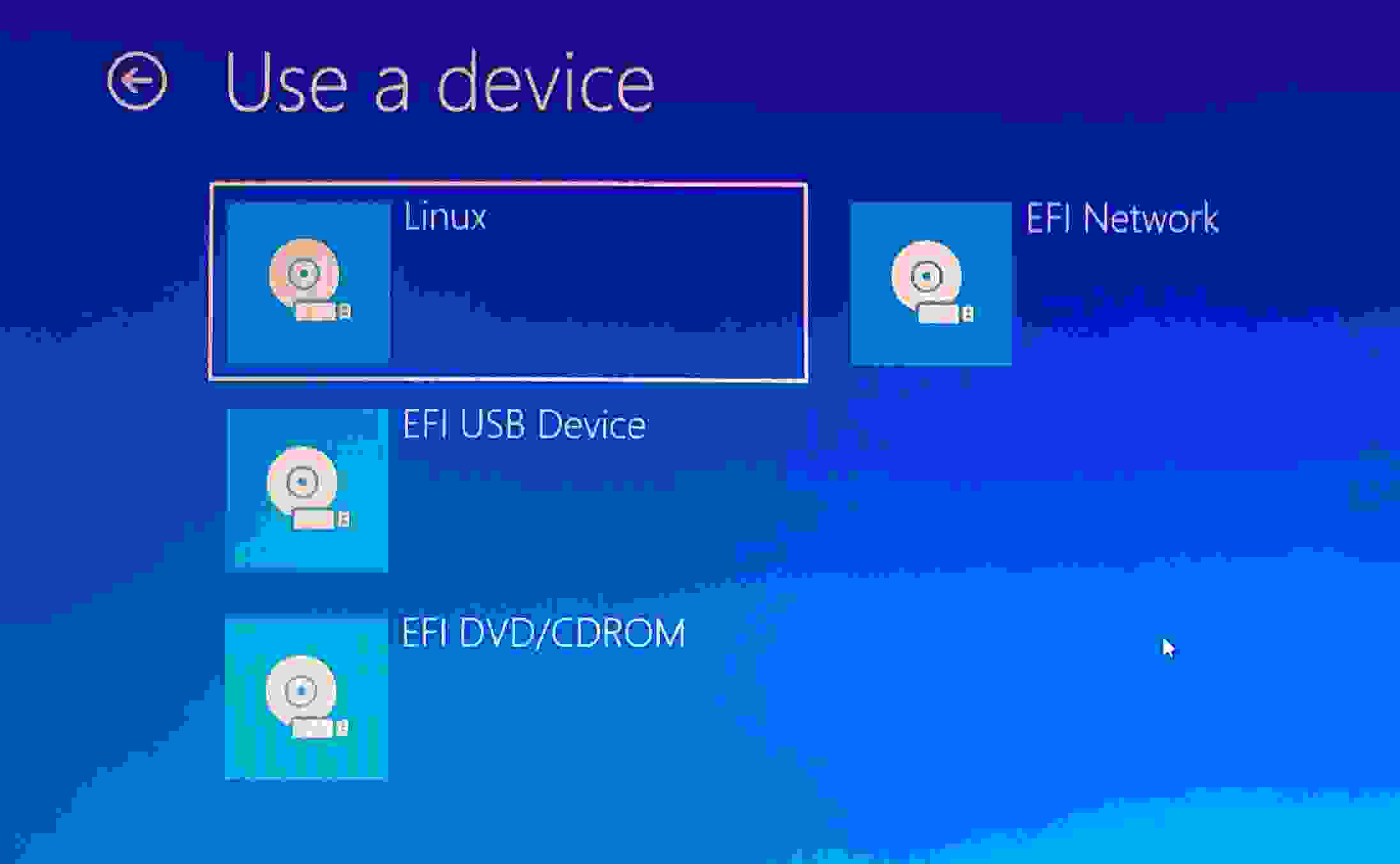
    5. Find your device in the list. If you don’t see your drive, select EFI USB Device, then select your drive from the next screen.

    How to install Linux on Windows 10 from USB

    6. Your computer will now boot Linux. If your computer reboots Windows, there may be a problem with your drive, or you will need to change a setting in the BIOS.

    Warning: Changing BIOS settings can damage your computer if you don’t know what you are doing.

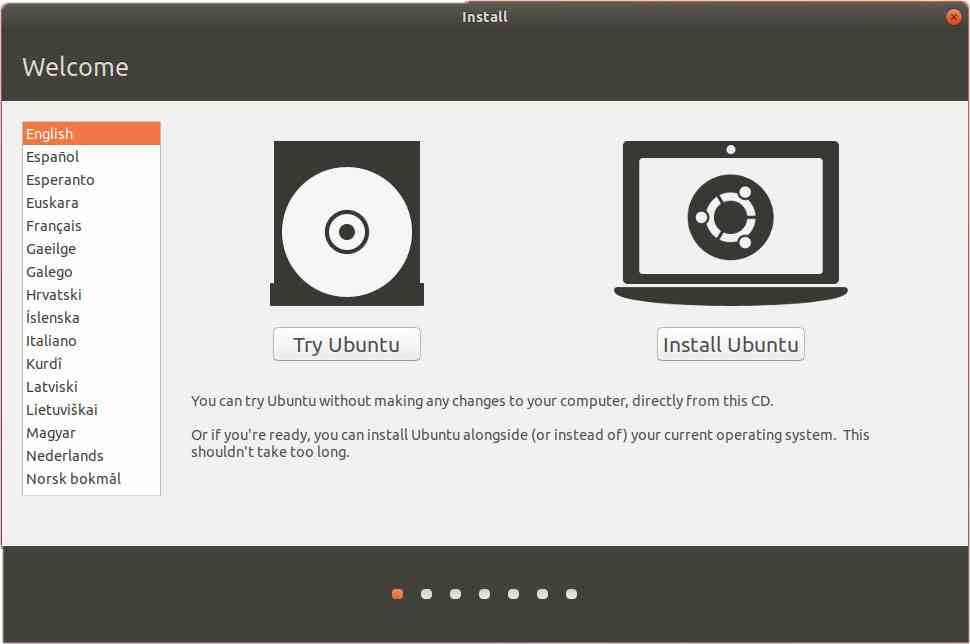
    7. Select Install Linux. Some distributions also let you try the OS before installing it here.

    How to install Linux on Windows 10 from USB

    8. Follow the installation process. It will depend on which distro you are trying to install. These details may include WiFi network, language, time zone, keyboard layout, etc. You may be asked to create an account with a username and password. Make sure to write them down in detail, as you will likely need them in the future.

    9. Most distributions allow you to partition the drive or erase it and perform a clean install during installation.

    Warning: Erasing a disk means that you will lose your Windows settings, files, and operating system. Only select Delete if you saved copies of all files before starting the installation process.

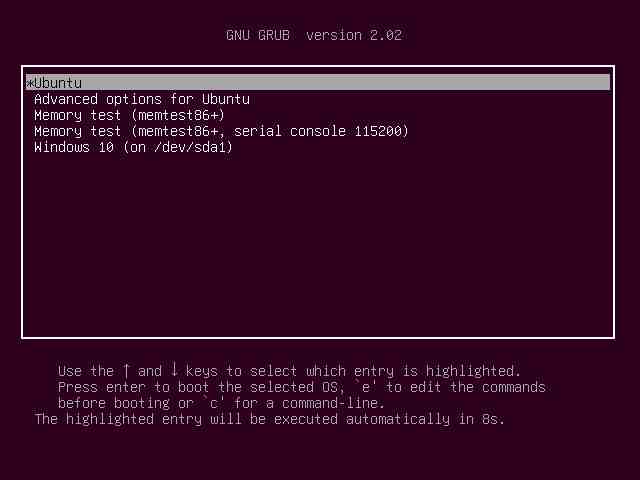
    10. Restart the computer when prompted. If you have more than one OS on your system, you will be taken to the GNU GRUB screen after rebooting. This screen allows you to select which OS you want to boot from.

    How to install Linux on Windows 10 from USB

    If you don’t see the GRUB screen when you boot your computer, you can try moving your Linux distro higher on your boot list in the BIOS.

    Read more:

    Conclusion:

    This is the explanation of how to install Linux on a Windows 10 PC Laptop, Once done, you can perform a hardware check. In some cases, you need to download additional drivers to make some hardware work.

    The option to download the driver can be found in Systems Settings on the new Linux OS. After verifying that the hardware is working properly, you can start using your Linux distro.

  • 5 Ways To Fix Word Files That Can’t Be Opened 2025

    5 Ways To Fix Word Files That Can’t Be Opened 2025

    5 Ways To Fix Word Files That Can’t Be Opened – Microsoft Word is probably one of the most widely used programs from Microsoft in the world. Especially considering its very useful function, and because this program may have many features.

    5 Ways To Fix Word Files That Can't Be Opened
    5 Ways To Fix Word Files That Can’t Be Opened

    How To Fix Word Files That Can’t Be Opened

    Not infrequently Microsoft Word is used to complete various kinds of work, school and campus assignments, to create mail merges, and various important documents related to schools, businesses, and companies.

    Read more:

    Of course, if there is damage or the Word file suddenly cannot be opened, we as the file owner can be confused. Especially if the file is important and there is no copy.

    But don’t worry, because we can fix Word files that won’t open.

    #1 Change Word File Extension

    Change Word File Extension
    Change Word File Extension

    The easiest first step and you can do it yourself at home is to change the extension of the Word file that can’t be opened. This step will generally open most files.

    This is because most errors or Word files that cannot be opened are caused solely because the file is not supported by the program, or in a more standard language unsupported file extension.

    The steps you can take to change the file extension are as follows:

    1. First of all, you can directly open the Microsoft Word program that you have.
    2. After that open the Open menu and then Export.
    3. In the Export menu, you can click Change File Type and then you can directly search for the file you want to open.
      • If no choice of extension matches the file you want to open, it means that the Microsoft Word you have is not compatible.
      • Take the next step.
    4. Open the folder where the file is stored, then click Tools and click the View tab, and check the File Name Extension option.
    5. After that just click on the file that can’t be opened and change the extension according to your Word compatibility.

    This method is the easiest way and in general, can fix almost all Word file extension problems that can’t be opened in conventional ways.

    #2 Open Word Files with Open and Repair Features

    Open Word Files with Open and Repair Features
    Open Word Files with Open and Repair Features

    If the first step didn’t solve the problem, then you can try opening the file with the ‘open and repair’ feature. This step itself according to Kani is actually quite easy considering this feature is a built-in feature of Microsoft Word.

    Now, as for the way you can do to use the ‘open and repair’ feature in Microsoft Word, the following are the steps:

    1. First of all, you can directly open the Microsoft Word program that you have on your laptop or computer.
    2. After that, you can directly open the File menu in the upper left corner.
    3. Then proceed by going to the Open tab and clicking options
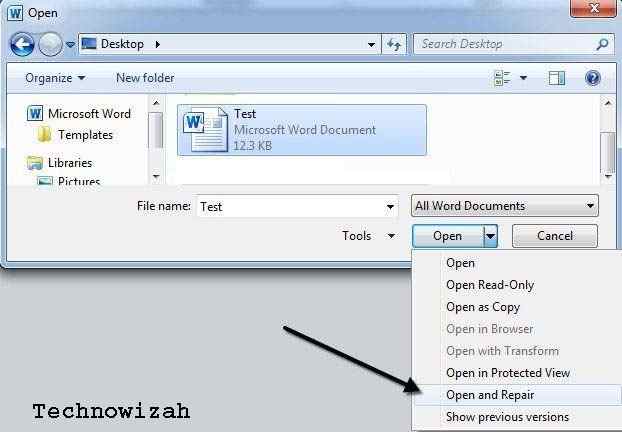
    4. After that, you can find the folder where you saved the corrupted file and click once on the file. However, in the drop-down menu in the lower right corner, replace the Open option with the Open and Repair option.
    5. If the damage is not severe, Microsoft Word should be able to recover and repair the file.

    This step is the default step and should be more likely to repair the file if the file that can’t be opened is damaged. If it still doesn’t work, you can try the next step.

    #3 Open Word Files in Safe Mode or Disable Add-Ins Microsoft Word

    Open Word Files in Safe Mode or Disable Add-Ins Microsoft Word
    Open Word Files in Safe Mode or Disable Add-Ins Microsoft Word

    This third step is a step that you should rarely do because with the two steps above the average person can already handle the problem of the Word file that cannot be opened.

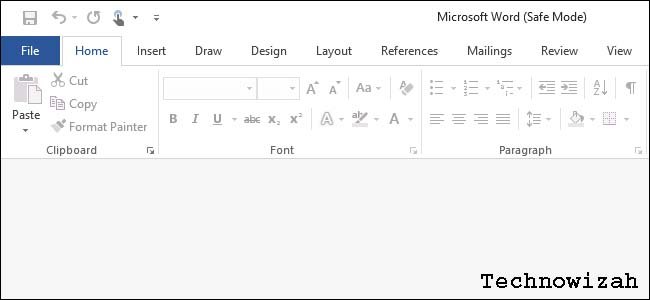
    Besides that, in our opinion, this third step is also relatively more difficult than the previous one, although it is quite easy too. Now, the steps you can take to open files using Safe Mode  are as follows:

    1. First of all, you can open Run by pressing the Windows key + R.
    2. After opening Run, you can directly type exe /safe and immediately click OK.
      • Supposedly Microsoft Word will open at a minimum, the alias will not include additions or Add-Ins that you gave earlier.
      • Usually, the basic functionality of Microsoft Word will remain, but additions such as Mendeley for example will not open when using safe mode.
    3. If Word still opens normally, then you can just manually check the additions you provided earlier and disable them manually as well.

    If this step can’t be done or it still doesn’t work to open a locked Word file, it means you have to move on to the next method.

    #4 Open with a different version of Microsoft Word

    Open with a different version of Microsoft Word
    Open with a different version of Microsoft Word

    Another reason the Microsoft Word file that you don’t have can’t be opened using your laptop or computer is simply that the file you have is not compatible with the version of Microsoft Word you have.

    Therefore, one solution that we think is quite effective is to open the file using a different version of Microsoft Word. You can use other family members’ laptops or your friends’ laptops.

    The condition is, of course, that the laptop has Microsoft Word with a different version from the one you have. If later it turns out that it can be opened, you can borrow their laptop or just install Microsoft Word with the same version.

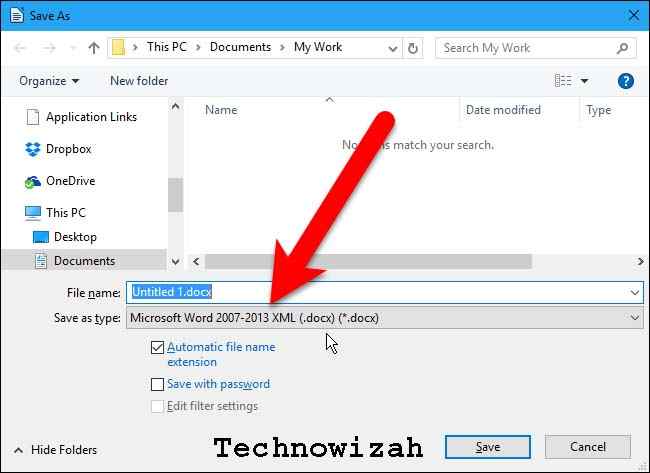
    If you’re lazy, you can change the format of the file that can’t be opened by Save As and replace it with a Word 97-2003 file or one that matches your version of Microsoft Word.

    If this step still opens the file, it means that there is considerable damage to the file. In addition, you should try to continue to the next step.

    #5 Use Third-Party Repair/Recovery Programs

    Use Third-Party RepairRecovery Programs
    Use Third-Party RepairRecovery Programs

    This last step can be done if you are really in a hurry and the file is so important. That’s why we put this last step not in the last position because it does contain some risks.

    To find a trusted third-party program on the internet in our opinion is quite difficult, especially if you are looking for free programs. Furthermore, if you are not experienced in this kind of thing.

    The worst possibility that you can get is that you download viruses, malware, adware, and other scary things that can then infect your laptop / PC and damage it.

    However, there are several programs that we think you can try to help solve the problem of corrupted Word files, including:

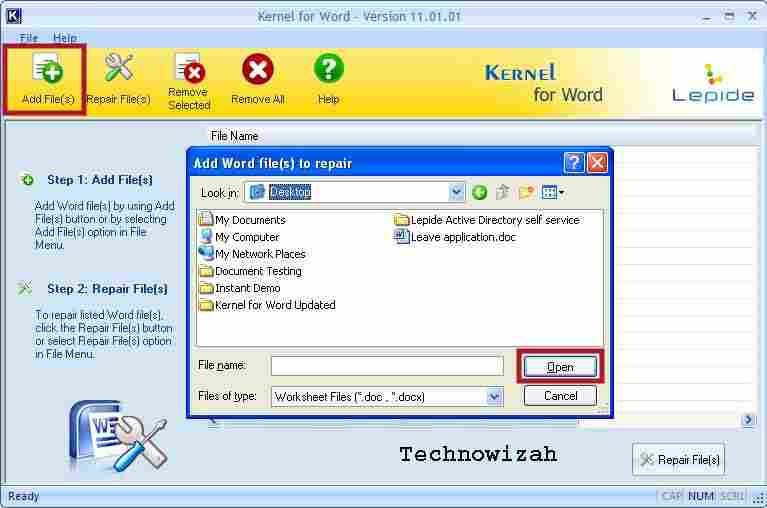
    • Kernel Word Repair Software is one application that is quite recommended to repair damaged Word files. There are several advantages offered by this application, including the following:
      • Can repair files with *.doc and *.docx formats
      • There is no limit on the size of the file you want to repair.
      • Compatible with various versions of Word, and even includes Microsoft Word 2016.
      • Classified as easy to use, with a user interface that is also quite simple.
    • EaseUS File Repair Tool, basically this program is a program that can repair various kinds of data with various extensions, and of course, Word is one of them. Some considerations that you can think about using this third-party program are as follows:
      • Can repair files with *.doc and *.docx formats
      • There is no limit to the size of the file you want to repair and can repair files at the same time.
      • Real-time preview of damaged repairs so you can make sure first before completing the repair.
      • Compatible with various versions of Word, and even includes Microsoft Word 2016
    • Disk Internals Word Recovery is a program for recovering damaged files, which we recommend with several advantages, namely:
      • Can repair files with *.doc and *.docx formats
      • There is no limit on the file size you want to repair.
      • Compatible with various versions of Word, and even includes Microsoft Word 2016.

    Don’t forget to bookmark and visit Technowizah.com every day. You can find here the latest Tech Computer Android games, How-to Guides, Tips and Tricks, Software Reviews, etc., which we update every day.

  • 8 Ways to Fix TDR VIDEO FAILURE Nvlddmkm.sys on Windows 10 [2025]

    8 Ways to Fix TDR VIDEO FAILURE Nvlddmkm.sys on Windows 10 [2025]

    8 Ways to Fix TDR VIDEO FAILURE Nvlddmkm.sys on Windows 10 – VIDEO TDR FAILURE nvlddmkm.sys is a BSOD stop code that can occur on computers with NVIDIA graphics cards.

    8 Ways to Fix TDR VIDEO FAILURE Nvlddmkm.sys on Windows 10
    8 Ways to Fix TDR VIDEO FAILURE Nvlddmkm.sys on Windows 10

    How To Fix TDR VIDEO FAILURE Nvlddmkm.sys on Windows 10

    The user’s entire screen turns blue, showing the error message Your PC ran into a problem and needs to restart the message and showing nvlddmkm.sys as the problematic file. Nvlddmkm.sys is a driver, and its full name is NVIDIA Windows Kernel Mode Driver.

    Read more:

    In this article, we will discuss how to solve VIDEO TDR FAILURE nvlddmkm.sys in Windows 10. First, let’s discuss what exactly is the VIDEO_TDR_FAILURE error and what causes it.

    What is VIDEO_TDR_FAILURE?

    TDR stands for Timeout Detection Recovery. The Video_TDR function is designed to prevent blue screens of death from occurring. This is done by resetting the driver or GPU if an error occurs. Therefore, if there is a Video_TDR_Failure, a blue screen of death will appear.

    The nvlddmkm.sys error is an issue most likely related to the Nvidia graphics card display driver. Fortunately, several solutions can help to solve this problem. If one of the solutions below doesn’t fix the problem, then you can try something else. Since there are several possible causes of the error, there are also several possible fixes.

    How to Overcome VIDEO TDR FAILURE Nvlddmkm.sys

    Before finding a solution for the VIDEO TDR FAILURE error, it’s a good idea to create a Restore Point. If something happens and you need to undo all changes, you can easily revert Windows 10 to a checkpoint and start troubleshooting from scratch.

    #1. Run Windows 10 Safe Mode

    Run Windows 10 Safe Mode
    Run Windows 10 Safe Mode

    If you are having trouble using your computer because the system immediately crashes, displays a blue screen, and enters a reboot loop, you can run Windows 10 in Safe Mode.

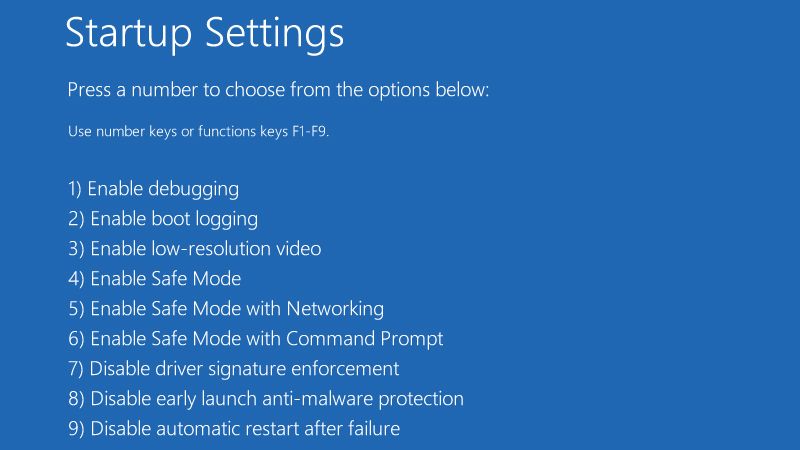
    1. Turn your PC on and off three times to trigger Windows 10 troubleshooting mode.
    2. Go to Troubleshoot  >  Advanced options  >  Startup Settings.
    3. Click Restart and wait a moment.
    4. Press F5 to enable Safe Mode with Networking.
    5. After Windows boots, check if you are still getting the nvlddmkm error. If you are still there, follow the steps above to reach the Safe Mode option and select F4 to enable the Safe Mode without the networking feature.

    #2. Check System Update Pembaruan

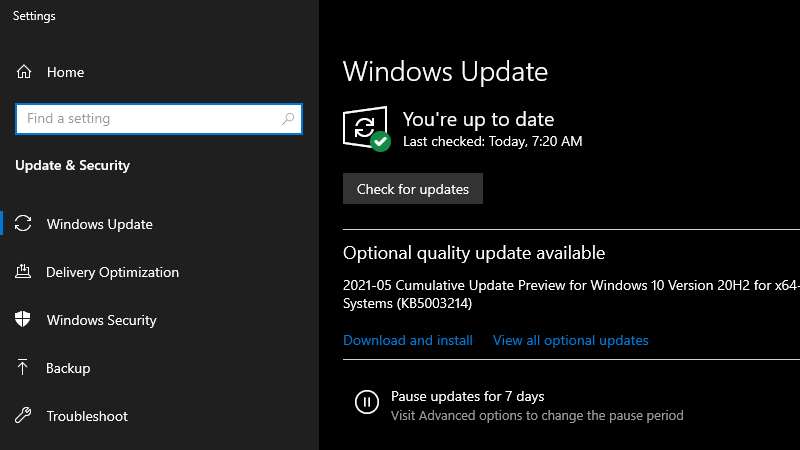
    Keeping Windows up to date is important. This is useful so that your Nvidia GPU drivers can run smoothly. Updates are also sometimes accompanied by fixes that resolve errors or bugs.

    Usually, computers using Windows 10 OS will automatically update when a new update is released. However, if automatic updates are disabled, inevitably the update must be run manually. Follow the instructions below to do this:

    Check System Update Pembaruan
    Check System Update Pembaruan
    1. Press the Win key, type Check for updates, and press Enter.
    2. Click Check for updates and wait.
    3. If Windows finds something, click Download.
    4. If there is an update, wait for the update to be downloaded and installed.
    5. Restart your computer.

    #3. Check for Graphics Card Driver Updates

    Out-of-date graphics drivers can cause video card problems, game problems, and even blue screen errors like nvlddmkm.sys. For that, you need to update the driver. Follow the instructions below to do this:

    Check for Graphics Card Driver UpdatesCheck for Graphics Card Driver Updates
    Check for Graphics Card Driver Updates
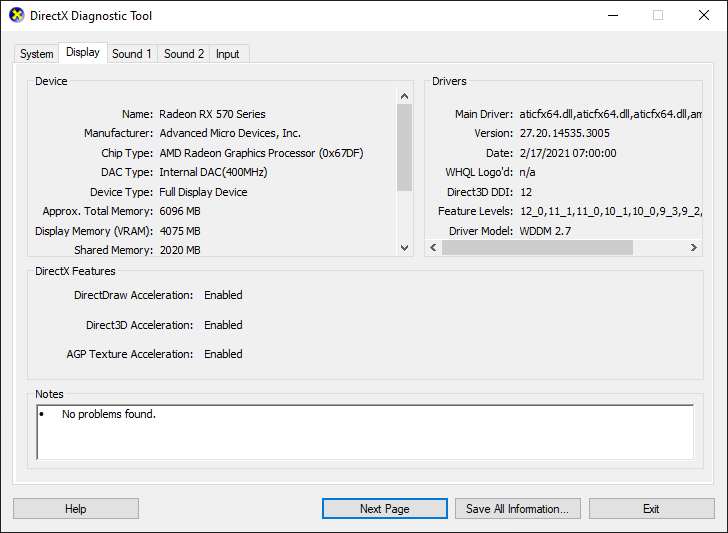
    1. Press the Windows key + R to the Run dialog box, and type dxdiag in the search box.
    2. Press Enter, navigate to the Display tab, and verify the details about your GPU.
    3. Navigate to the System tab and verify the details about your operating system.
    4. Visit the NVIDIA website and download the latest drivers for the graphics card.
    5. Select the latest driver from the list on the NVIDIA website and download it.
    6. Select the required update for your graphics card, accept it, and download it.
    7. Install and restart your computer.
    8. Check if the problem is solved.

    This solution can be used if you don’t know what model of graphics card is used on your computer. After getting this information from step two, you know what to download. After entering the NVIDIA website, the admin recommends downloading only certified or recommended updates. So avoid drivers that are still in the beta development stage.

    But if you find it difficult to do so, you can use third-party applications such as Driver Booster or DriverPack to make it easier to update out-of-date drivers. So you don’t need to update it manually.

    #4. Reinstall the Graphics Card Driver

    Reinstalling the driver will also replace the corrupted files with the ones that work properly. Before we begin, restart your computer into Safe Mode. If updating the graphics card driver still doesn’t solve the problem, then you may need to reinstall the driver completely. Follow the instructions below:

    Reinstall the Graphics Card Driver
    Reinstall the Graphics Card Driver
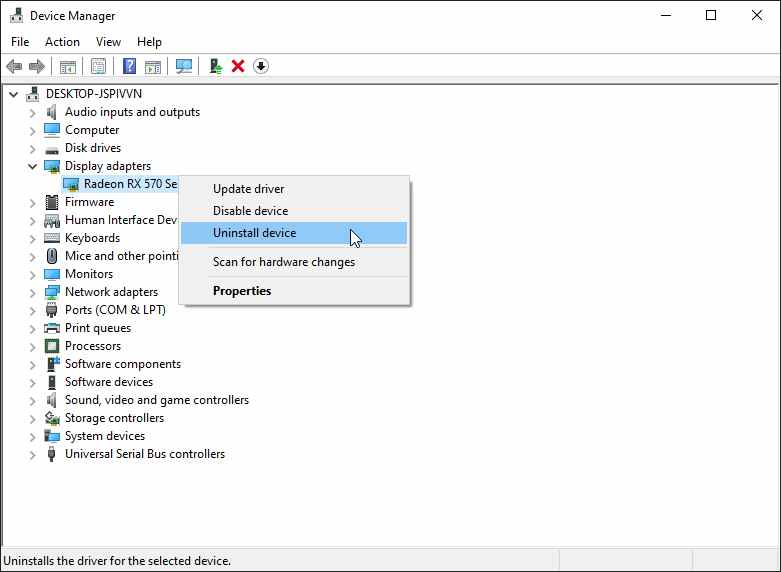
    1. Open Windows in Safe Mode, and navigate to Device Manager.
    2. Select the Display Adapter section, right-click, and uninstall your graphics card driver.
    3. Select  Delete the driver software for this device, and click  OK.
    4. Download and update the latest drivers for your GPU.
    5. Go to C:/Windows/System32/drivers, search for nvlddmkm.sys, and name it nvlddmkm.sys.old.
    6. Type Command Prompt in the search bar, and select Run as administrator.
    7. Type  exe nvlddmkm.sy_nvlddmkm.sys  to create a  new nvlddmkm.sys file.
    8. Open the C drive and look for this file in the NVIDIA folder.
    9. Copy it to C:/Windows/System32/drivers.
    10. Restart your computer.

    #5. Turn Off Overclocking Apps

    Turn Off Overclocking Apps
    Turn Off Overclocking Apps

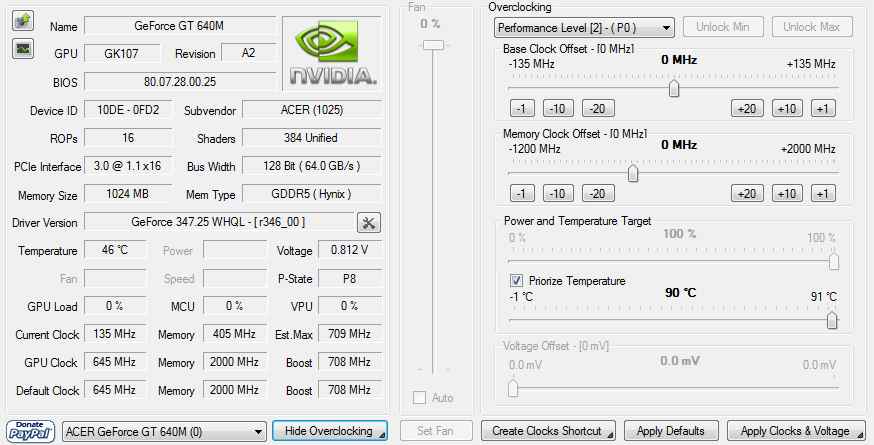
    People use memory overclocking software to enhance their gaming experience. However, suppose the computer is not accompanied by a cooler strong enough to withstand the extra heat. In that case, Windows will eventually shut itself down and display a blue screen message such as VIDEO TDR FAILURE to prevent HDD damage and data loss. Unless you know exactly what you’re doing

    For that, you have to disable all overclocking applications, such as MSI Afterburner, CPU-Z, or GPU-Z, and reset the computer’s clock settings to default.

    #6. Remove And Reinstall the GPU Card

    Remove And Reinstall GPU Card
    Remove And Reinstall GPU Card

    There is a possibility that your graphics card needs to be removed and then reinstalled into the computer unit. If not connected properly, it can trigger Blue Screen of Death errors such as VIDEO TDR FAILURE stop code.

    Shut down your desktop, unplug all cables, remove the computer chassis, and carefully remove the GPU card. Then, insert it back into the same slot firmly but not forced. Turn on the computer and see if anything changes.

    #7. Try GPU Card On Another Computer

    Try GPU Card On Another Computer
    Try GPU Card On Another Computer

    If the graphics card is not working and needs to be replaced, all your efforts to try to solve the blue screen problem in the software will be in vain. A simple way to test this is to remove the GPU card from the computer and insert it into another PC, preferably with a clean Windows installation. If the system starts to crash, it should be pretty clear that you need to replace the hardware.

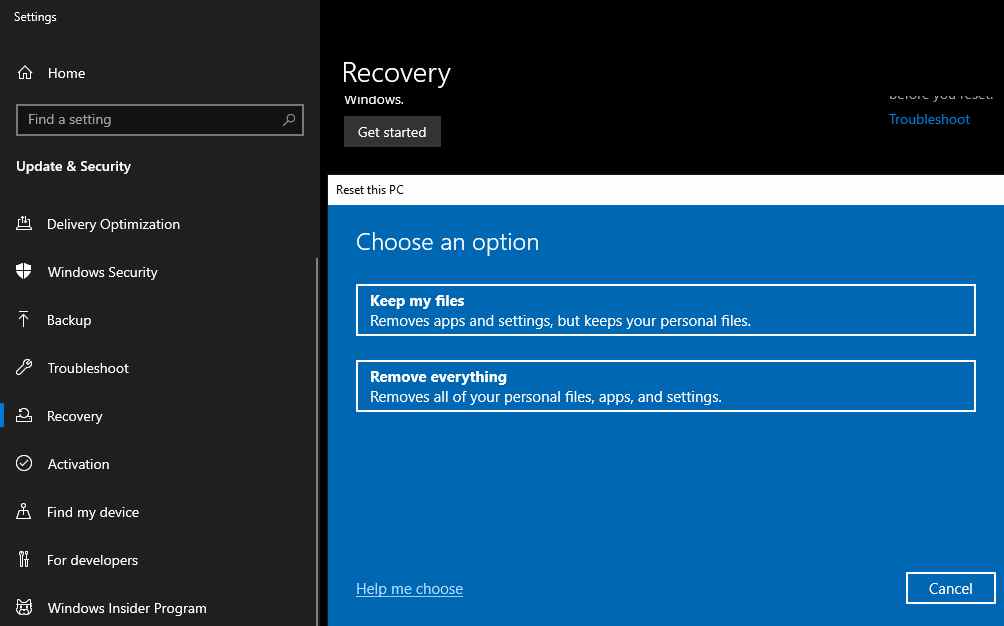
    #8. Reset Windows 10

    If all else fails so far, you will be forced to reset Windows 10 to remove all programs and restore system settings to default. The good news is that your private files will not be touched.

    But make sure to write down all the apps you need to install, save program preferences, and get the serial key needed for re-activation. Then, proceed to the following steps:

    Reset Windows 10
    Reset Windows 10
    1. Right-click the Start button and open Settings.
    2. Select Updates & Security.
    3. Select Recovery and click Get Started.
    4. Click Keep My Files and follow the rest of the instructions.

    Read more:

    Conclusion:

    So that’s how to solve VIDEO TDR FAILURE nvlddmkm.sys on Windows 10. VIDEO TDR FAILURE is a BSOD error that indicates a problem with your GPU settings. I hope one of these eight solutions helps you fix the annoying video_tdr_failure (nvlddmkm.sys) error on Windows 10.

  • 12 Reasons Why WiFi Is Slow And How To Fix It 2025

    12 Reasons Why WiFi Is Slow And How To Fix It 2025

    12 Reasons Why WiFi Is Slow And How To Fix It – If you’re experiencing WiFi that feels sluggish or slow, there could be several reasons.

    12 Reasons Why WiFi Is Slow And How To Fix It
    12 Reasons Why WiFi Is Slow And How To Fix It

    12 Reasons Why WiFi Is Slow And How To Fix It

    Luckily, there are steps you can take to fix slow WiFi. So, let’s take a look at the reasons why WiFi is slow.

    Read more:

    #1. Router Placement: High VS Low

    The placement of your router plays an important role in your home WiFi network. Even a slight change in position can slow down your WiFi. In fact, finding the correct position is one of many ways to increase the speed of your router.

    As it turns out, the height of the router makes no difference. Mounting the router on the ground or behind another object usually results in much worse performance. Instead, place the router as high as possible to extend the radio broadcast range. It also helps rid the router of interference.

    #2. Building Materials Block WiFi Signals

    Materials like concrete and metal are usually the biggest blockers of WiFi signals. So, you might want to avoid placing your router in the basement, as a lot of concrete usually covers this area. Other materials can also hamper the performance of your wireless network. Make sure other large objects are not blocking your router.

    #3. Distance To Router

    The further your device is from the router, the weaker the WiFi signal will be. Therefore, the best option is to place your router as close to your device as possible.

    If your broadcast router looks very weak or if your house is very large, then you may need to increase the range of the WiFi band. A WiFi extender or repeater is an additional device that connects to the main router and covers a wider area.

    #4. Other Household Users

    Have you ever let a big download run on your PC? That might be the cause of your slow WiFi. Downloading large files can seriously hurt your WiFi performance. So if you’re running a non-urgent task, try pausing it.

    What’s more likely, however, is that people in your network such as friends, roommates, or family members are taking part in activities that require a lot of bandwidth such as playing games or streaming videos.

    #5. Too Many Devices Connected To WiFi

    You need to count how many devices are connected to your WiFi. Because the more devices connected, the slower your internet speed.

    Many devices automatically download and upload which can eat up bandwidth. Therefore, if you have many devices connected to WiFi, make sure you buy an adequate internet package.

    #6. Digital Disturbance

    Digital disruption can occur for a number of reasons. There is a wireless signal from WiFi, electronic devices, cell towers, satellites, and other sources. While WiFi typically uses a different signal than these other devices, radio noise can still cause interference.

    Some older routers only use a single band on the 2.4 GHz frequency. However, Bluetooth devices, microwave ovens, and cordless phones also use the same 2.4 GHz frequency range. This overlap causes WiFi interference. If possible, try connecting to the 5 GHz frequency band as it is less congested, or try selecting a different channel.

    #7. Noise From Your Neighbors

    Almost every household has its own WiFi network, which can create overlapping channels. Overlapping channels are a problem for routers that can only broadcast at 2.4GHz, or if you have devices that can only receive 2.4GHz wireless signals. This is because there are only 14 channels to transmit. Two routers broadcasting on the same channel on the same frequency will interfere with each other.

    That’s why you have to choose the right channel in your router settings. Modern routers can select the channel for you automatically, but sometimes it’s better to search and find the best WiFi channel for your network.

    #8. Router is Old

    Routers older than 5 years may not meet the latest standards (802.11ac / WiFi 5) or provide simultaneous dual-band support for 2.4 GHz and 5 GHz.

    Especially when it comes to ISP-provided router/modem units, it may be time to upgrade to the latest and greatest. Let’s take an analogy like this, having the latest smartphone serviced by an old router is like having a good race car with the cheapest tires you can usually find.

    #9. ISP Downtime ISP / Network Clogged

    Sometimes, ISPs suffer from downtime and poor connections. Nothing is perfect. It must have been experienced by every ISP. However, dealing with internet rush hour is the same as Monday morning traffic.

    Especially after people get out of work or on lazy weekends, when everyone in the neighborhood is using the internet at the same time, congestion occurs and ends up creating a network with heavy traffic.

    #10. Quota Limitation By ISP

    Do you know how much data you use each month? Home users typically spend more than 200 GB per month. All the videos, online games, and hours of browsing on the web lead to high data usage. Therefore, many ISPs reduce their customers’ internet speed because they have passed the reasonable usage limit. For example, Indihome applies the FUP (Fair Usage Policy) system or fair usage limits to each of its customers.

    #11. Someone Steals Your WiFi

    First, let’s hope your WiFi is password protected. Second, make sure your passwords are strong and varied. And don’t use weak passwords like “123456” “password” or “qwerty”. Because if other people connect to your WiFi without your consent, they steal your bandwidth.

    #12. ISP DNS Not Good

    When someone types a website address into their browser, the computer automatically uses DNS to convert the address into an understandable IP address.

    In some cases, the computer is using a DNS server that is having problems. Your router usually uses your ISP’s DNS servers, but that doesn’t guarantee speed. Better DNS can help speed up loading times.

    How to Fix Slow WiFi

    Identifying the cause of your slow WiFi can be a challenge. From technical to non-technical things, it can be the cause of your router being slow. Therefore, to fix it, start with simple things like restarting your WiFi router device. If you’re still having slow internet issues it’s time to call your ISP for an answer.